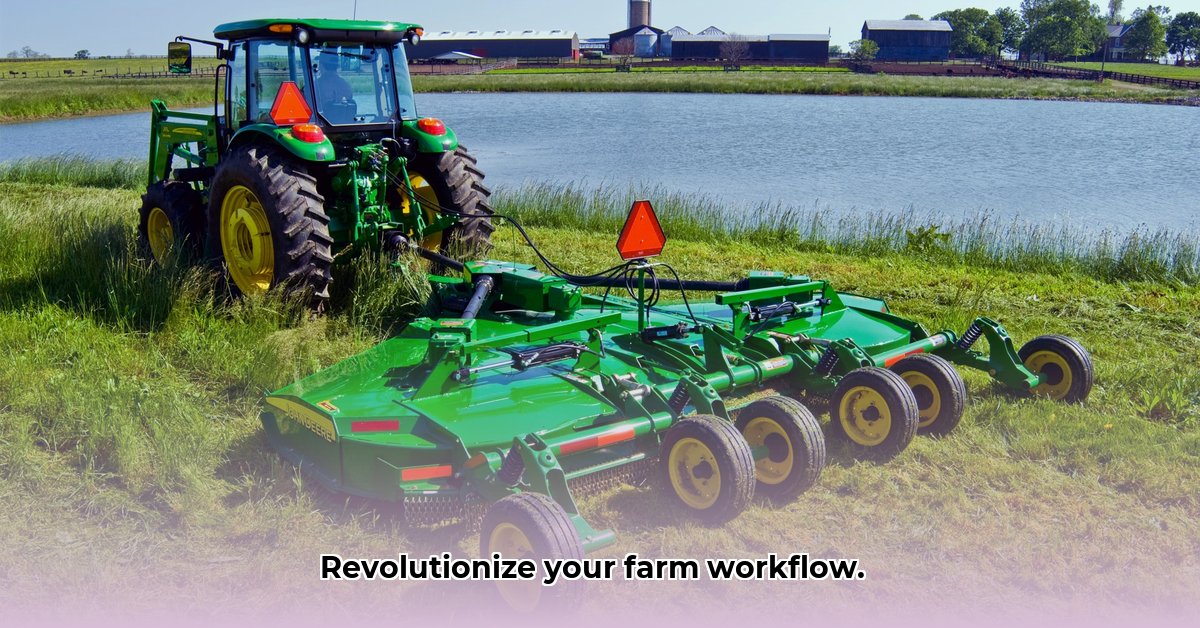
Sustainable agriculture demands efficient waste management, and turning woody debris into valuable mulch is a key step. A PTO-driven wood chipper offers a powerful, eco-friendly solution, but choosing the right one requires careful consideration. This guide compares hammermill and blade systems, helping you select the perfect chipper for your farm's specific needs. For more information on PTO-driven mulchers, check out this helpful resource.
Understanding Your Needs: A Checklist for Choosing the Right Chipper
Before selecting a wood chipper, assess your farm's requirements. This initial step is crucial for making an informed decision and avoiding costly mistakes. Don't rush this process – choose wisely and save time and money in the long run.
Biomass Volume: How much woody material (branches, brush, etc.) do you need to process annually? This determines the required chipper throughput. Are we talking cubic yards monthly, or several truckloads yearly? This drastically changes the size and power needed.
Material Type: What kind of wood will you be processing? Hardwoods like oak are denser and require more powerful chippers than softer woods such as pine. Will your feedstock include only small branches, or also larger limbs and even small trees?
Desired Particle Size: What's your end goal for the chipped material? Fine mulch for landscaping requires a different chipper than coarser chips for pathways or erosion control. Are you aiming for consistent particle size for a particular application? Consider how this impacts your choice between blade and hammermill systems.
Tractor Horsepower: Check your tractor's PTO (power take-off) horsepower rating. The chipper must be compatible with this; insufficient power results in inefficient operation and potential damage. Don't underestimate the importance of this factor – it's a critical safety and efficiency consideration.
Budget: Determine your budget, including the initial purchase price, ongoing maintenance costs, and fuel consumption. Think long-term; the cheapest option isn't always the most economical. Prioritize reliability and longevity to minimize future expenses.
Hammermill vs. Blade Shredders: A Detailed Comparison
Two main technologies dominate the PTO wood chipper market: hammermill and blade systems. Each offers distinct advantages and disadvantages, making the choice dependent on your specific needs and priorities.
| Feature | Hammermill Chipper | Blade Chipper |
|---|---|---|
| Chipping Action | Hammers pulverize material; creates finer chips. | Blades cut material; produces more consistent chips. |
| Particle Size | Highly variable; ideal for mulch and biomass fuel. | More consistent; suitable for various applications. |
| Material Handling | Processes denser materials more effectively. | Handles softer materials; potential for clogging. |
| Maintenance | Requires more frequent hammer replacement. | Requires regular blade sharpening and replacement. |
| Cost | Generally higher initial cost. | Typically lower initial cost. |
| Noise Level | Generally louder | Generally quieter |
| Power Consumption | Higher | Lower |
Why the difference? Hammermills use a rotating drum with hammers that shatter material, resulting in finer, more variable particle sizes. Blade chippers use rotating blades to cut material, producing more consistent chips.
Consider this: Do you need fine mulch (hammermill), or are consistent chip sizes more important (blade)?
Choosing Your Perfect Chipper: A Step-by-Step Guide
This structured approach will help you navigate the decision-making process effectively and choose the best chipper for your needs.
Needs Assessment: Complete the checklist above, honestly evaluating your farm's requirements.
Chipper Research: Explore models from reputable manufacturers, focusing on those meeting your needs. Compare specifications carefully, considering factors like throughput, horsepower requirements, and maintenance needs.
Comparative Analysis: Create a simple comparison spreadsheet to weigh different models based on price, features, and performance. Prioritize those that best balance your requirements and budget.
Independent Reviews: Check online reviews and forums to gauge real-world performance and reliability of potential options. Third-party reviews offer valuable insights.
After-Sales Support: Consider the manufacturer's reputation for parts availability and service support. Reliable support is crucial to minimize downtime.
Final Selection: Choose the chipper that best fits your needs, budget, and long-term sustainability goals.
Safety and Maintenance: Ensuring Long-Term Efficiency and Safety
Operating heavy machinery requires strict adherence to safety guidelines:
Always wear appropriate safety gear: Eye protection, gloves, hearing protection, and sturdy boots are essential.
Clear the area: Remove rocks, debris, and any obstructions from the chipper's working area before operation.
Regular inspections: Before every use, inspect the chipper for wear, damage, or loose parts. Address any issues immediately.
Proper maintenance: Follow the manufacturer's maintenance schedule, including lubrication and blade/hammer replacement, to ensure optimal performance and longevity.
By following these steps and prioritizing safety, you'll optimize your farm's efficiency and sustainability with a properly chosen PTO wood chipper. Remember, the initial investment is offset by reduced waste disposal costs and the creation of a valuable resource for your farm.